Blog
 The supplier who disputed every alert, and was right twice
A field-notes look at supplier dispute queues, where a 2-for-40 hit rate on pushback means the system is working as intended.
 What is a due diligence statement under EUDR, and what evidence does it need?
A plain breakdown of what an EUDR due diligence statement covers, the geolocation evidence it requires, and where that evidence has to come from.
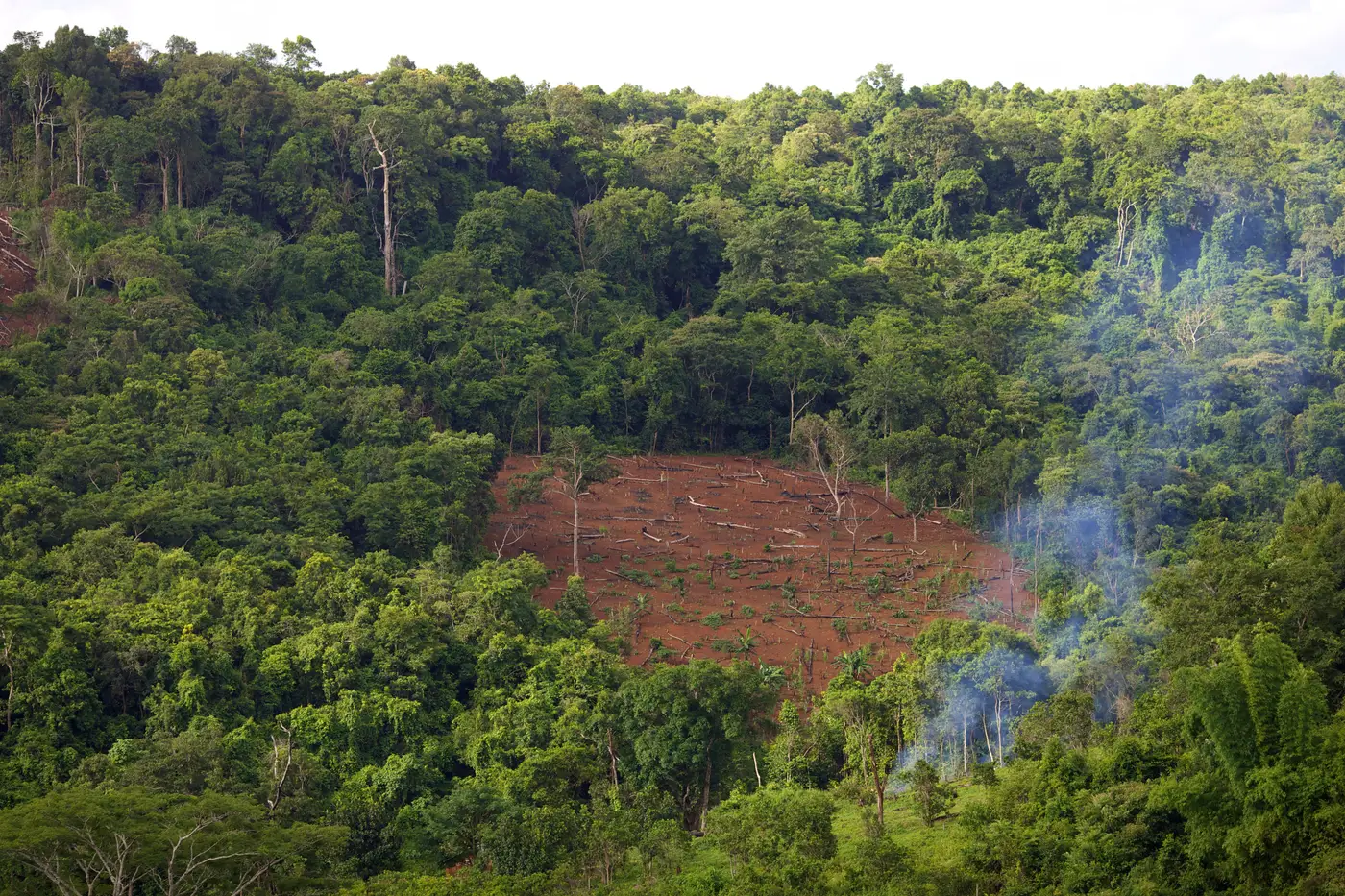 Briefing compliance before the weekly supplier call: a clearing checklist
How to turn a new clearing alert into a brief compliance and procurement can use before Thursday's supplier call, not during it.
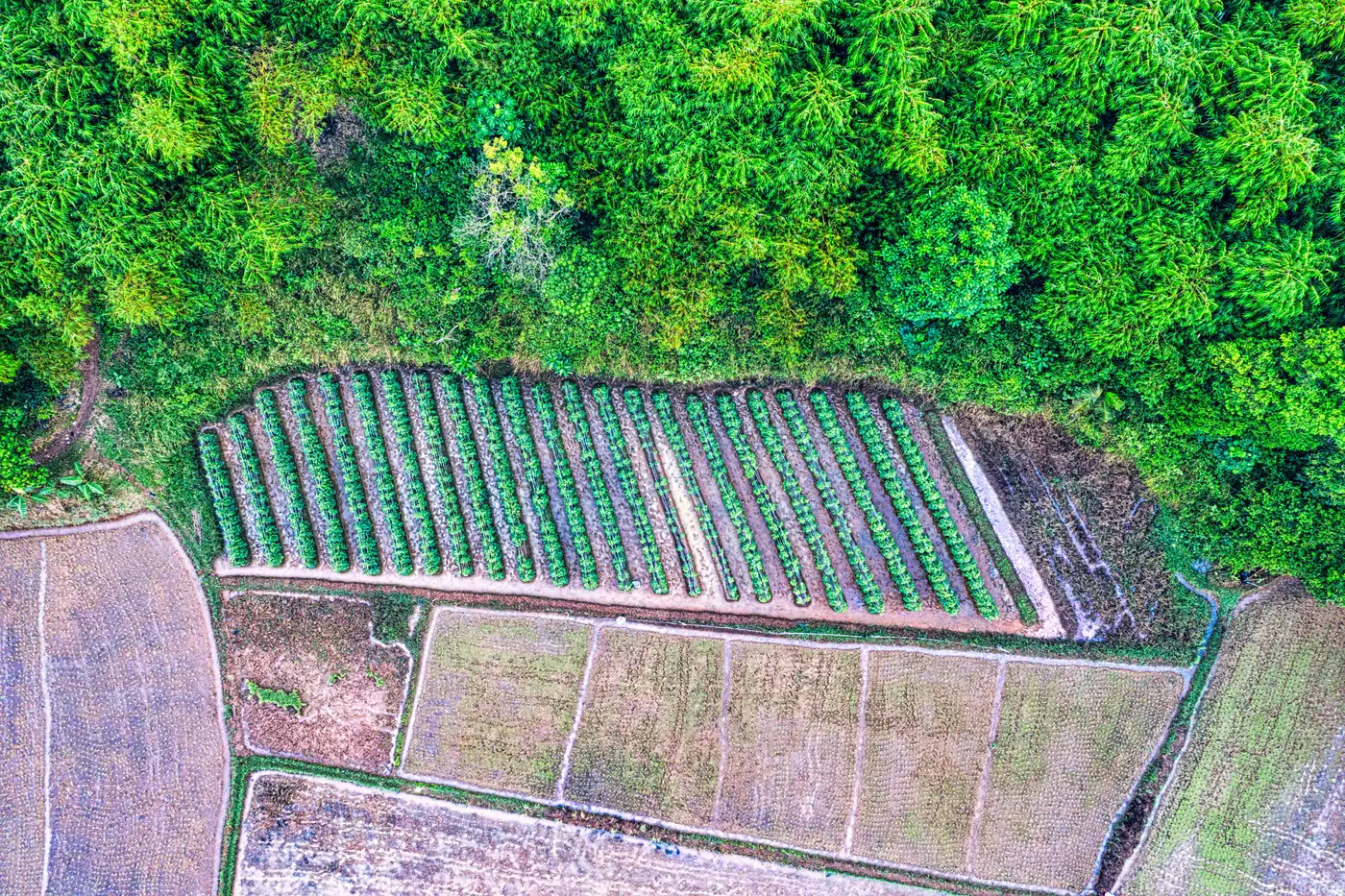 Cross-checking a clearing alert against a concession boundary shapefile
A step-by-step walkthrough for overlaying a weekly clearing alert onto a concession boundary shapefile and reading the result correctly.
- Field notes: the clearing alert that was actually a windthrow
A canopy gap fired as a clearing alert. Turned out to be storm blowdown. Here's how to tell the two apart before you call it in.
- What is a traceability polygon under EUDR?
A plain explanation of EUDR traceability polygons: when you need one instead of a point, what the coordinates have to show, and why.
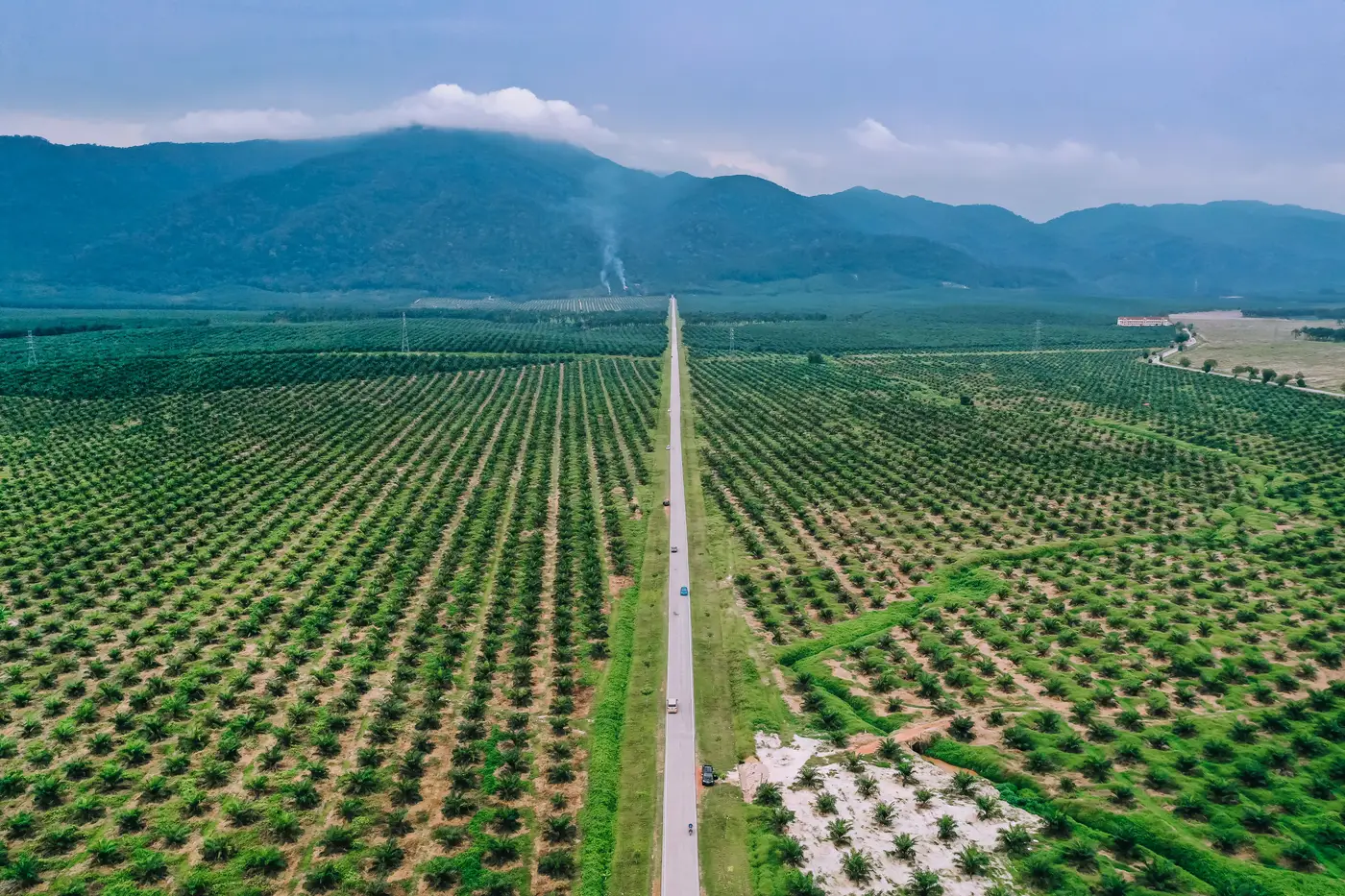 Oil palm replanting vs new clearing: telling them apart in satellite imagery
How to distinguish a legitimate oil palm replant block from a new forest clearing using planting geometry, land-use history, and EUDR cutoff dates.
 What is a negligible risk country classification under EUDR?
How the EU's negligible, standard and high risk country tiers under EUDR change due diligence workload, and what the tier doesn't tell you.
- Field notes: the three-week cloud gap over the concession everyone was watching
A field-notes account of a three-week cloud-free imagery gap over a watched concession during wet season, and what it means for clearing detection timing.
- Setting a sourcing-area boundary before you turn on clearing alerts
How to draw a sourcing area or mill catchment boundary so clearing alerts flag real risk instead of noise from land you don't buy from.
- How to size a monitoring polygon for a cocoa supply shed
A field guide to sizing a cocoa supply-shed polygon: scoping the catchment, buffering farm boundaries, and keeping weekly clearing alerts useful.
- Weekly clearing alerts vs. annual land-cover maps: what changes
How weekly clearing alerts differ from an annual land-cover update, and when a forest-monitoring team needs each one.
- Primary forest vs. secondary forest: how to tell them apart in satellite imagery
How to read old-growth canopy against regrowth in optical imagery, and why forest age class changes what counts as a new clearing.
- What is the EUDR cutoff date, and why it matters for sourcing
EUDR's cutoff date is fixed at December 31, 2020, but sourcing risk comes from clearing after that date. Here's what the baseline requires.
- GLAD alerts vs RADD alerts for supply shed screening
How GLAD and RADD forest loss alerts differ, and which one gets you to a new clearing faster when you're screening a supply shed.
- Optical vs. SAR for clearings: why cloud cover changes the math
A look at how optical and SAR imagery handle persistent cloud cover, and what that means for catching a clearing before the canopy closes over it.
- Smallholder clearing vs industrial clearing: reading the shape signatures
How to tell smallholder clearing from industrial or plantation clearing in satellite imagery, by shape, size, and access signatures.
- Deforestation vs forest degradation under EUDR: the actual definitions
How EUDR defines deforestation and forest degradation, and why the difference changes what your due diligence statement needs to prove.