Oil palm replanting vs new clearing: telling them apart in satellite imagery
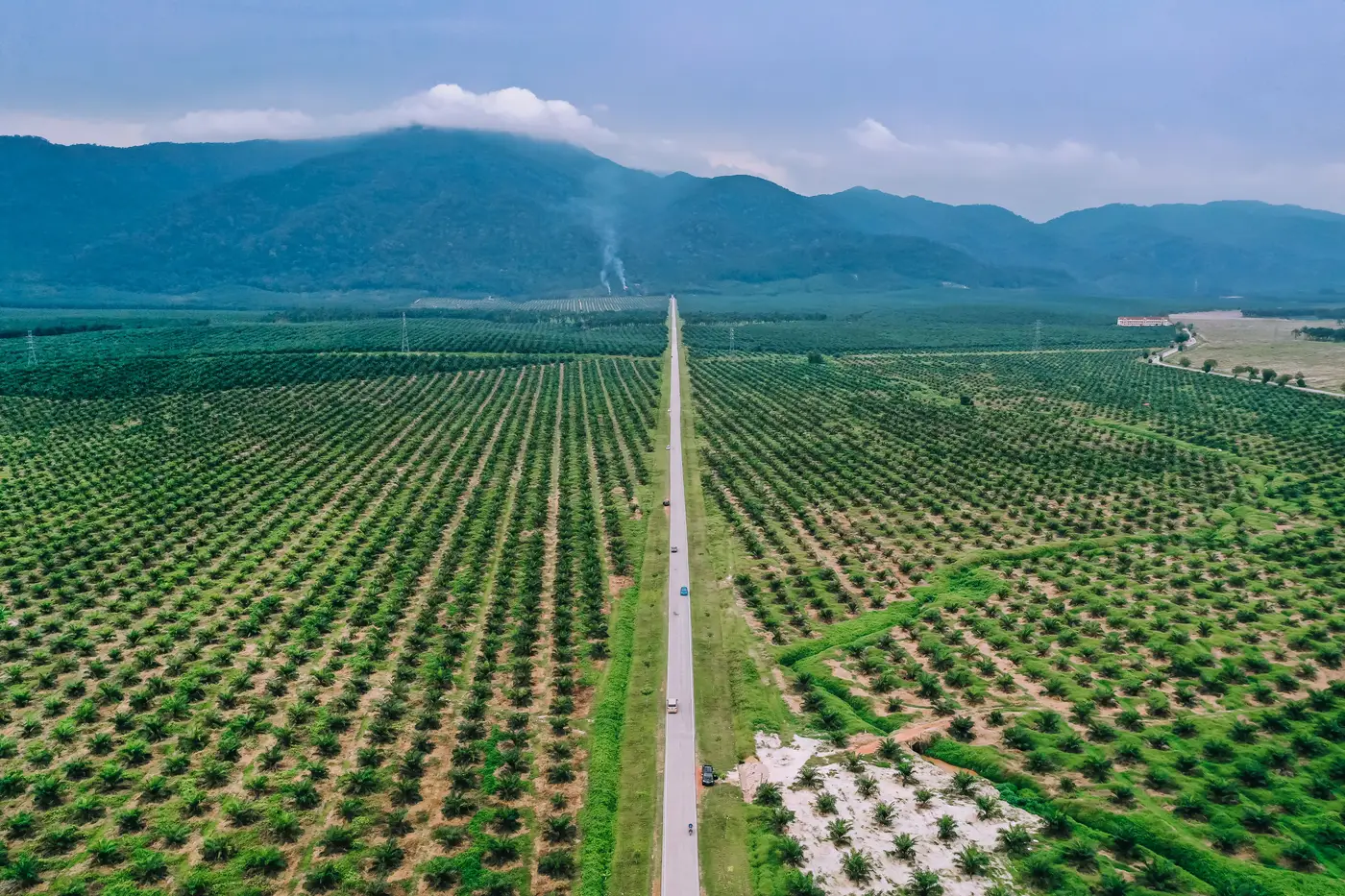
A felled oil palm block and a freshly cleared patch of forest can produce almost the same signature in a single cloud-free image: canopy gone, bare soil, maybe some burn scar at the edges. If you're screening a supply shed and all you've got is one before/after pair, the two events look identical. That's a problem when the answer determines whether a plot gets flagged to a buyer or waved through as routine estate maintenance.
A single snapshot can't show what the land was doing five or ten years before the image was taken, and that history is the whole question.
Why one image never settles it
Oil palm has a replanting cycle of roughly 25 years. Once a stand's fresh fruit bunch yield drops off, estates fell the old palms, clear the block, and replant. From orbit, that clearance step looks exactly like deforestation: trees down, ground exposed, sometimes a burn signature if debris gets windrowed and torched rather than mulched. Nothing in that one frame tells you whether the block was planted palm in 2001 or closed-canopy forest in 2019.
This is why analysts who work supply sheds don't trust a single alert. They pull the time series.
Reading the planting geometry
The first tell is pattern, not timing. Mature oil palm is planted on a triangular grid, usually around 9 meters between palms, and that spacing is visible in imagery well before a block gets felled. When a replant happens, the cleared area sits inside an estate boundary that's been there for years, bounded by existing access roads, drainage lines, and collection points that don't appear overnight. New clearing in standing forest looks different: irregular edges following terrain or river lines rather than planting rows, a new haul road cut in from an existing track, and often a spur pattern as the clearing front advances block by block into intact canopy.
If the felled area lines up with a grid that was already there in the archive, and the access infrastructure predates the clearing event, that's a replant. If the clearing is biting into forest with no prior grid signature and a road is being pushed in to reach it, that's new.
Checking the land-use history before you flag it
Pulling the archive back answers the real question: what was this polygon five, ten, fifteen years ago? If the plot shows a palm canopy signature going back through the record, continuous production, no gap where forest regrew, then a clearance event now is a replant cycle, not conversion. If the earlier imagery shows closed-canopy forest, or secondary forest that had regenerated after an old abandonment, and the clearance is the first conversion event in the record, that's a new clearing and it belongs on the list your enforcement or sourcing team acts on.
This is also the practical EUDR test. The regulation's replanting exemption turns on whether the land was already under commodity production before December 31, 2020 and has stayed in production since, not on whether palms were physically standing on the day of the image. A block that was oil palm in 2018, felled and bare in 2023, and replanted in 2024 clears that bar. A block that was forest in 2018, cleared in 2021, and planted to palm since doesn't, regardless of how tidy the replant rows look today. The cutoff date lives in the history, not in the current picture, so the archive pull is the part that actually answers the compliance question, not the alert itself.
For a trader running due diligence on a supply shed, this is the difference between chasing down a mill's own replanting schedule for every felled block and ruling most of them out in an afternoon by pulling each polygon's record back past the cutoff.
A weekly clearing feed for your draw area makes this check fast to run instead of a quarterly scramble. Deforestation Alerts flags clearing within days of the first cloud-free look, so you can pull the history on a block the week it's cut instead of months later when the planting rows are already filled in.